INDUSTRY:
HEALTHCARE, GAMES
YEAR:
2025
TIMELINE:
3 WEEKS
EXPERIENCE:
CREATIVE CODING, RESEARCH
overview.
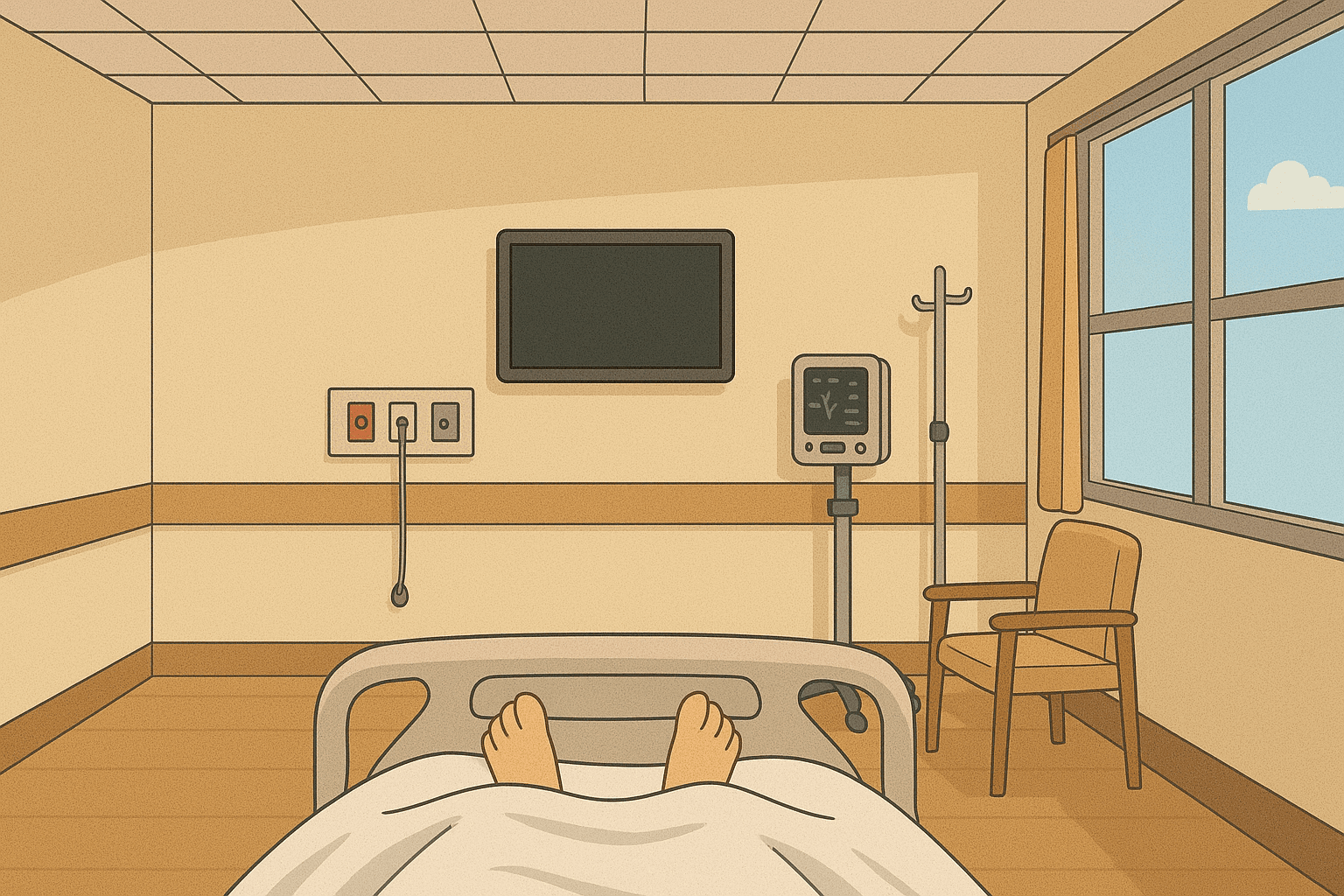
Emerging technologies in healthcare use sensors (breath, movement, voice tone, environmental data) to automatically adjust environmental elements like lighting, sound, and temperature. They are becoming more common, with the goal of creating calmer, more supportive spaces. While smart hospital rooms can increase patient comfort, the automation can also introduce important usability issues.
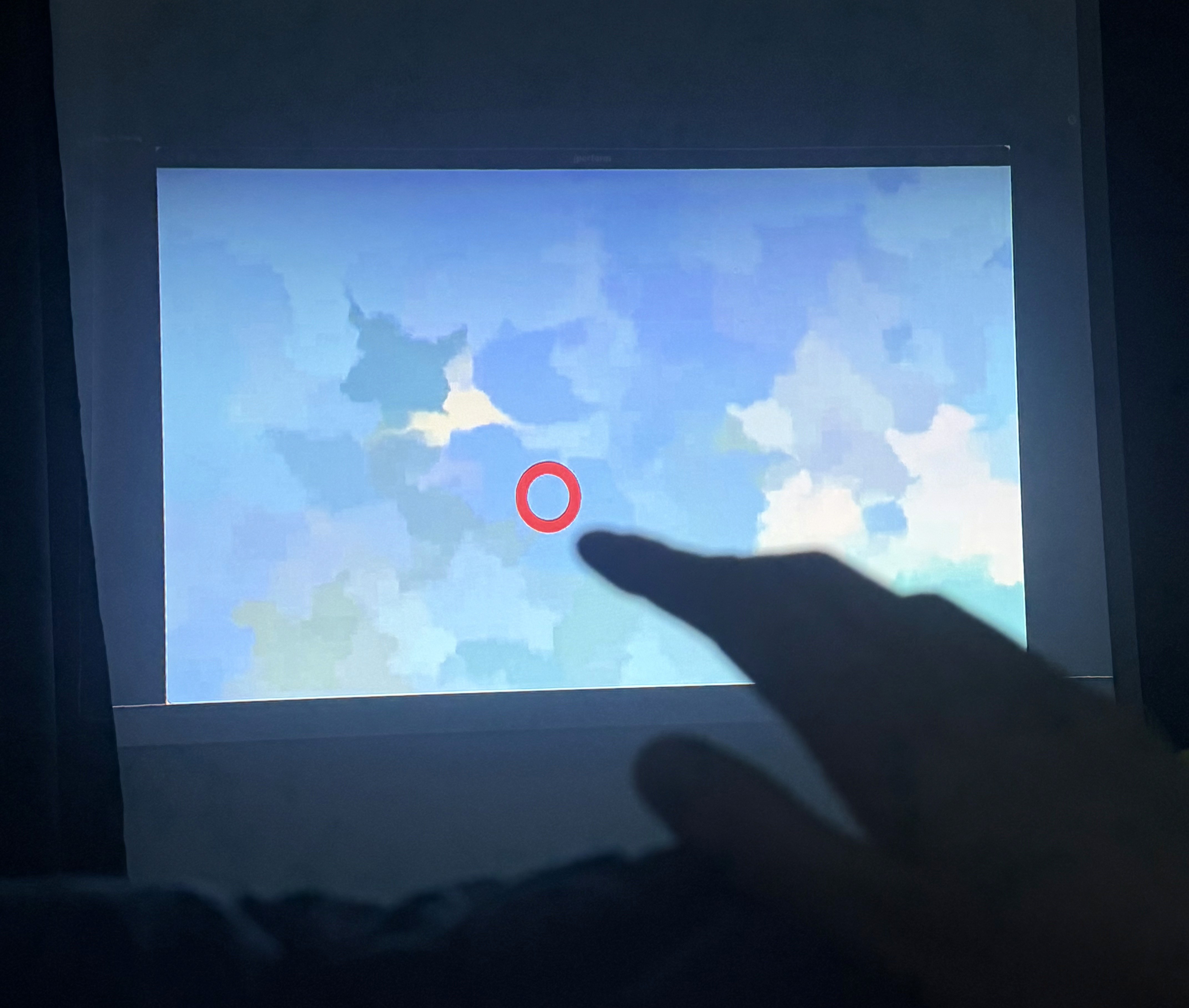
I designed a game in which a patient watching a horror movie experiences elevated stress due to a jumpscare, allowing players to experience the frustrations that these smart rooms can produce.
challenges.
Unpredictable: System Behavior and Sudden Environmental Changes
Smart environments make decisions for the user, often based on sensor input or AI interpretation. When these decisions cause sudden shifts in lighting, sound, temperature, or media without clear warning, users are startled, disoriented, or frustrated.
Loss of User Control:
When automation becomes dominant, users may lose the ability to adjust their environment. This mismatch between perceived control and actual system behavior leads to frustration, helplessness, and reduced trust. Healthcare contexts make this especially problematic because patients already have limited agency.
concept development.
Process
Identified usability issues in smart rooms.
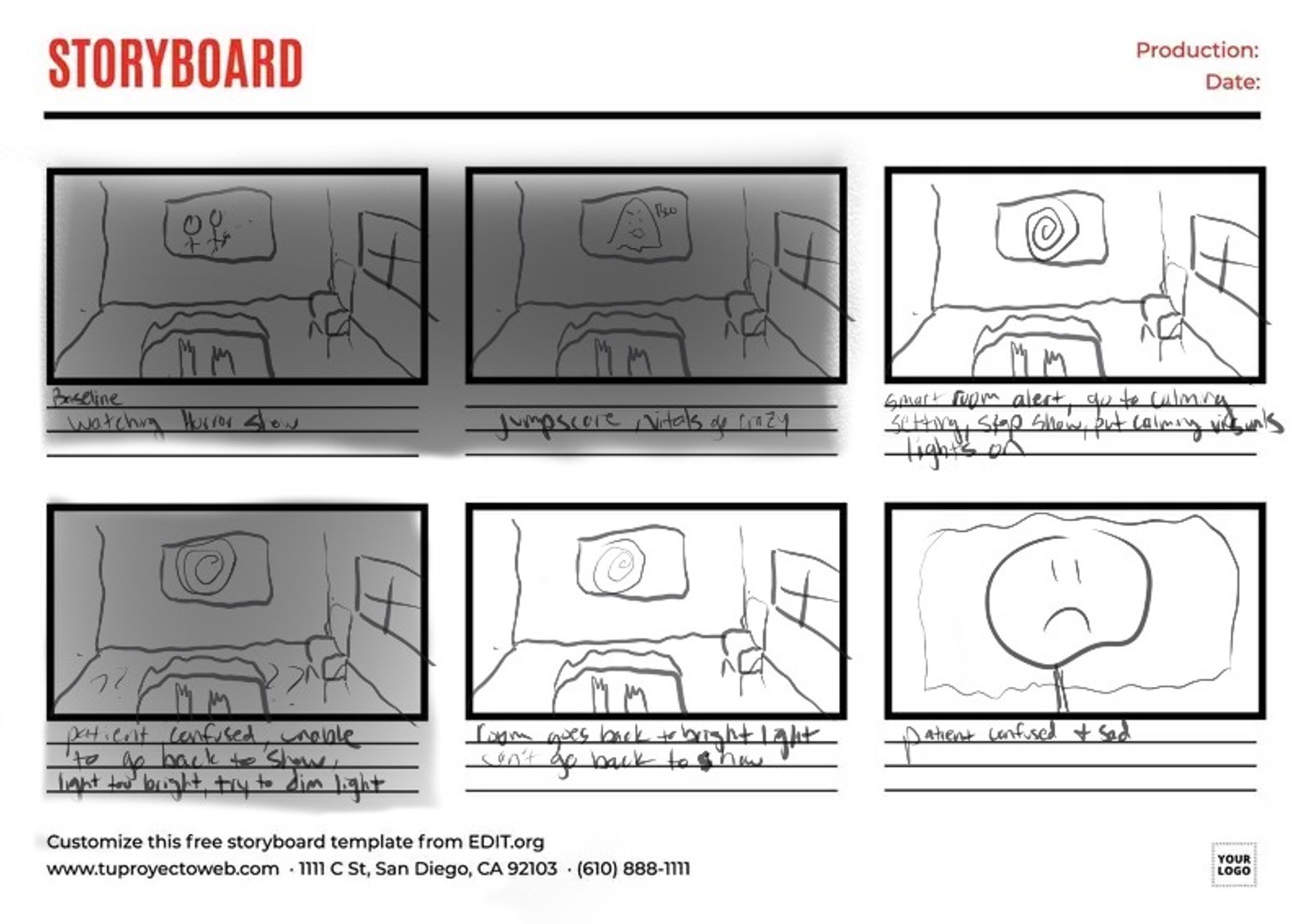
Created storyboard to demonstrate usability challenges when patient is "stressed" while watching a horror movie
Built a simulation with the help of AI to exaggerate them.
Adjusted lighting, feedback, audio to show system behavior.
How my project surfaces this:
Sudden automated reactions (ghost → stress → system “calms” the room).
Movie stops, lighting and sound change without consent or explanation.
UI shows user inputs being overridden, visualizing loss of agency.