INDUSTRY:
EXHIBIT DESIGN
YEAR:
2025
TIMELINE:
4 MONTHS
EXPERIENCE:
INTERACTION/EXPERIENCE
TEAM:
PEITING CHENG, CONTENT
SINDHU KRUTTIVENTI, TECHNICAL
AASHITA VERMA, DESIGNER
AMY ZHANG, CONTENT
overview.
Accidental Lab was developed at Parsons School of Design under the guidance of Prof. Brad Macdonald, in collaboration with the Museum of Science, Boston. On-site user testing was conducted at MOS's Careers of Tomorrow 2025 showcase.
"Where everyday materials spark unexpected discoveries."
From bone to byte, step into the lab where curiosity meets surprise. By mixing everyday materials, uncover how both careful science and unexpected moments have reshaped the world, and imagine what new ideas might rise.
Overview:
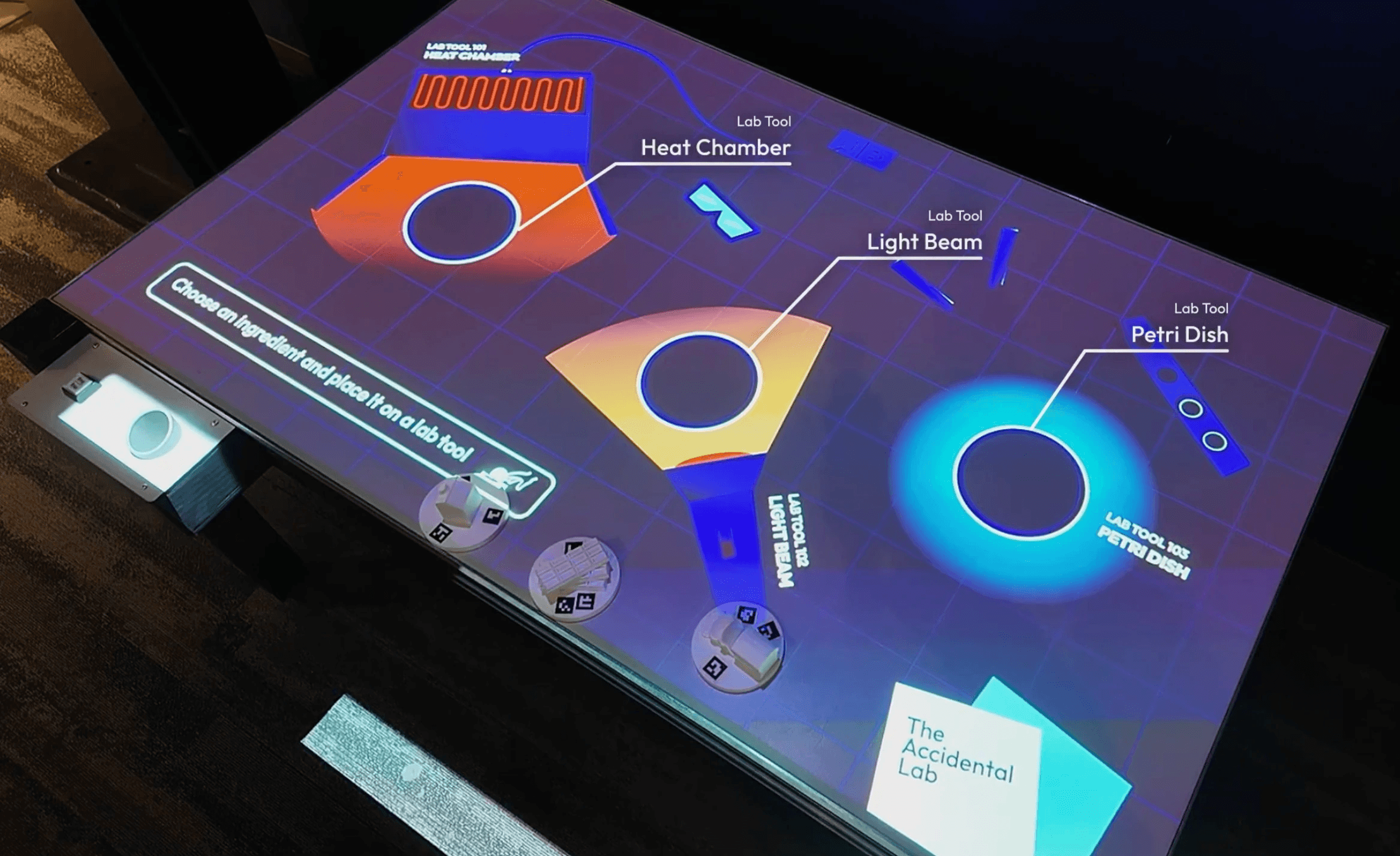
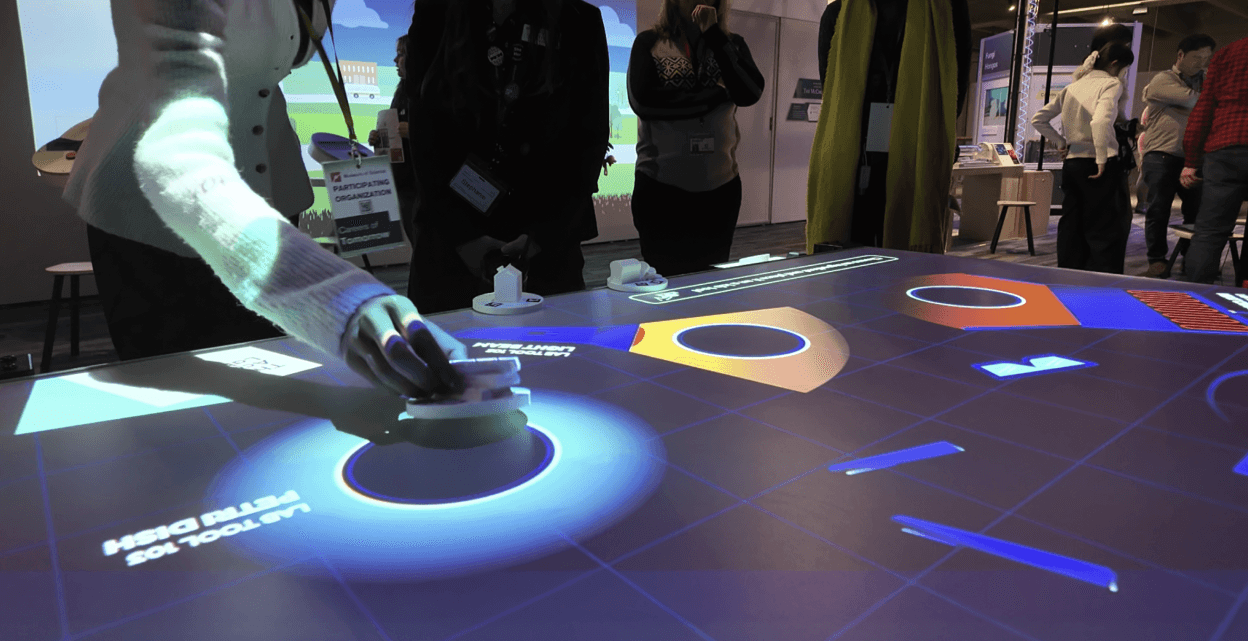
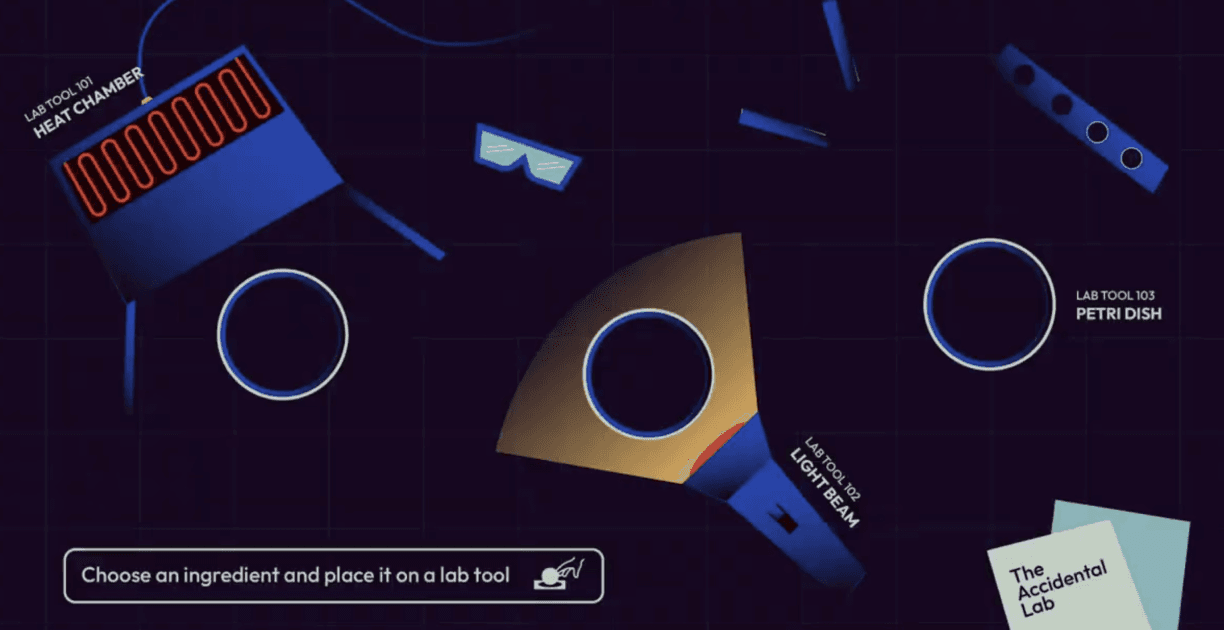
On a FAST table, mix chocolate, milk or bread (3D printed) with a lab tool to spark an animated experiment.
Each reaction reveals a story: some born from real scientific accidents, others from speculative futures inspired by emerging research, and a few that might just simply be happy failures (but who knows?).
goals.
Experience Goal:
To immerse visitors in the spirit of scientific revolutions by transforming the lab into a stage of experiments, accidents, and breakthroughs where mixing ideas and materials can spark surprising results.
Learning Goals:
Primary: Understand that discovery comes from both trial and error and intentional investigation, and that unexpected results can lead to major scientific change.
Secondary: Recognize how curiosity and persistence transform experiments into innovations that shape daily life.
process.
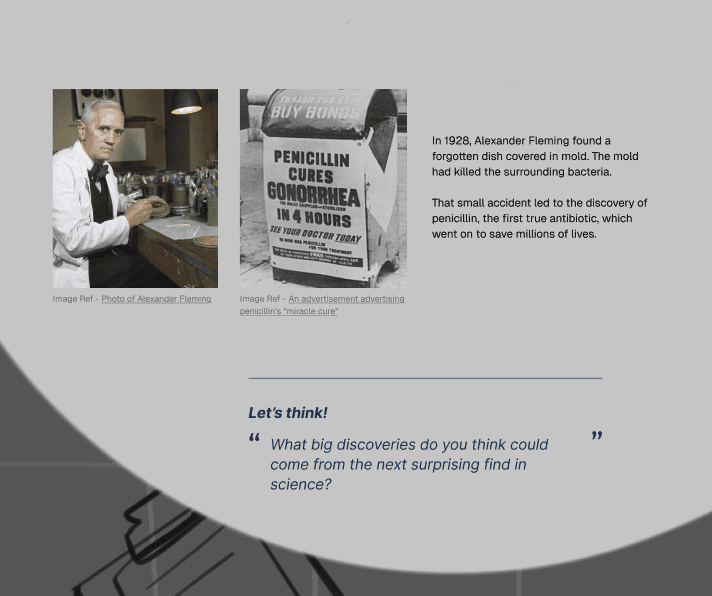
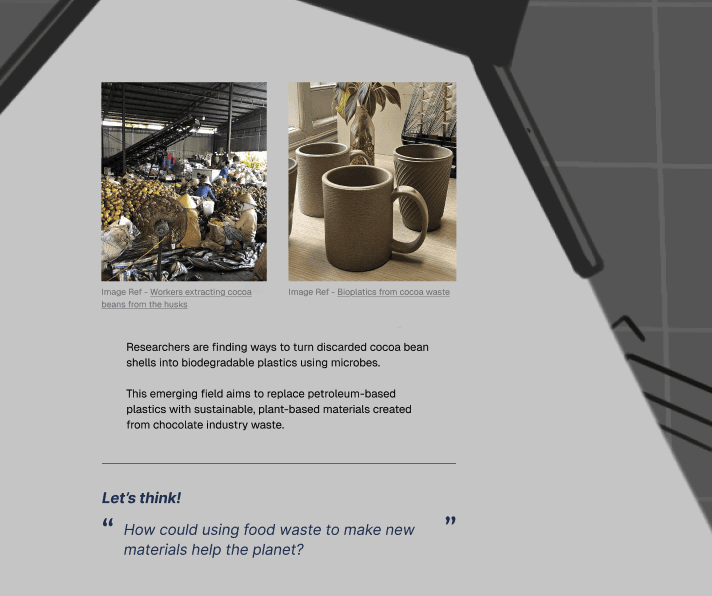
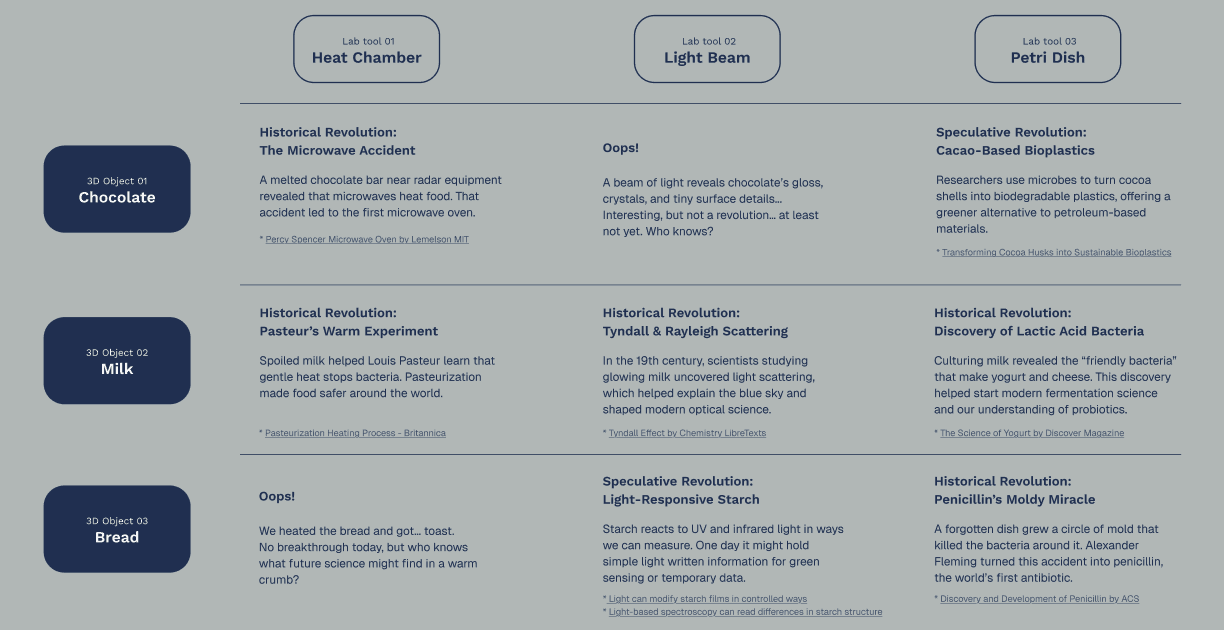
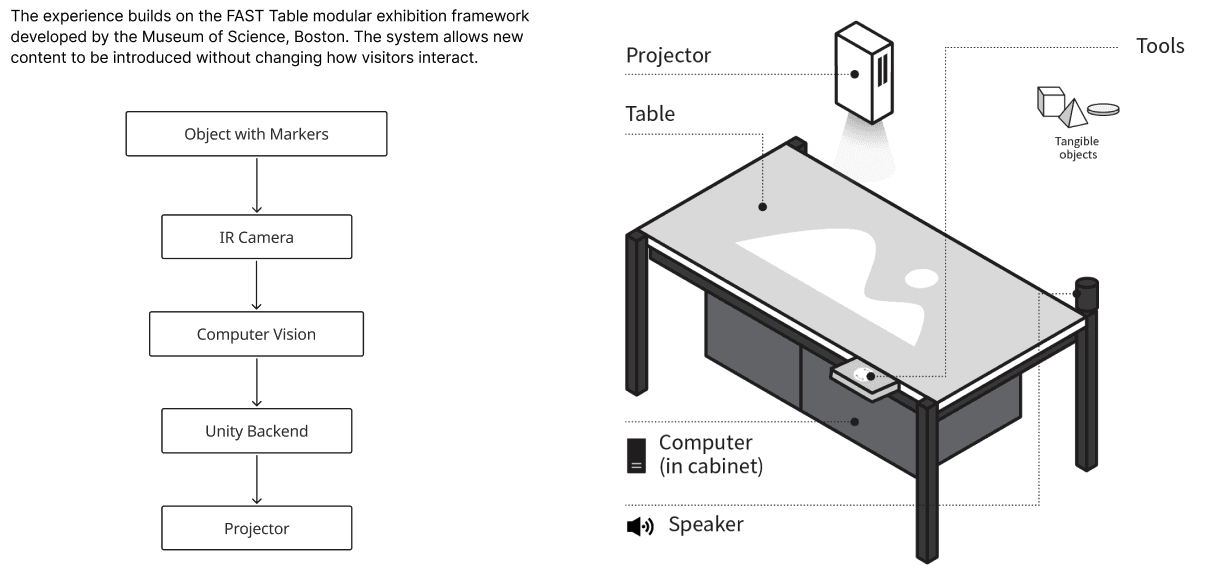
We researched past discoveries that occurred due to accidents and brainstormed speculative accidents that may occur based on current discoveries. To keep the interactions simple, we decided to have three digital illustrations (heat chamber, light beam, petri dish) that could each be combined with three physical objects (chocolate, milk, bread) and found relevant discoveries that occurred due to the mixtures. By placing a physical object with a digital illustration on a FAST table, users can learn about the discovery (or lack thereof) associated with the combination.
user testing.
On-site user testing revealed that Accidental Lab was successful in creating intuitive interactions and validated the project's impact. 93% of users appreciated the hands-on feel of mixing ingredients and tools and 86% noted they walked away with new knowledge. The project achieved high engagement levels, with most users testing multiple combinations and expressing a desire to return. Feedback highlighted the smooth responsiveness and immersive quality of the animations that kept users curious and engaged.
result.
The user testing phase of Accidental Lab provided good insight into designing for high-traffic, educational environments. We created the exhibit as a solo experience, but many users naturally sought out a more collaborative approach, discussing results with friends and family. The intuitive onboarding and engaging visuals were essential for sustained engagement. The scientific complexity can be further distilled through visual storytelling to be more accessible across diverse ages and knowledge levels. This project showed that we can create immersive environments that make high-level science both approachable and deeply memorable for every visitor.