
INDUSTRY:
TECHNOLOGY
YEAR:
2026
TIMELINE:
3.5 DAYS
EXPERIENCE:
PRODUCT, UX/UI
TEAM:
PEITING CHENG
SINDHU KRUTTIVENTI
AASHITA VERMA
AMY ZHANG
overview.
kiki was created for the FigBuild 2026 design-a-thon, which invited designers to create a tool that tracks, measures, visualizes or quantifies an aspect of human sensory experience. My team chose the human ability to sense the emotional states of others when interacting in person.
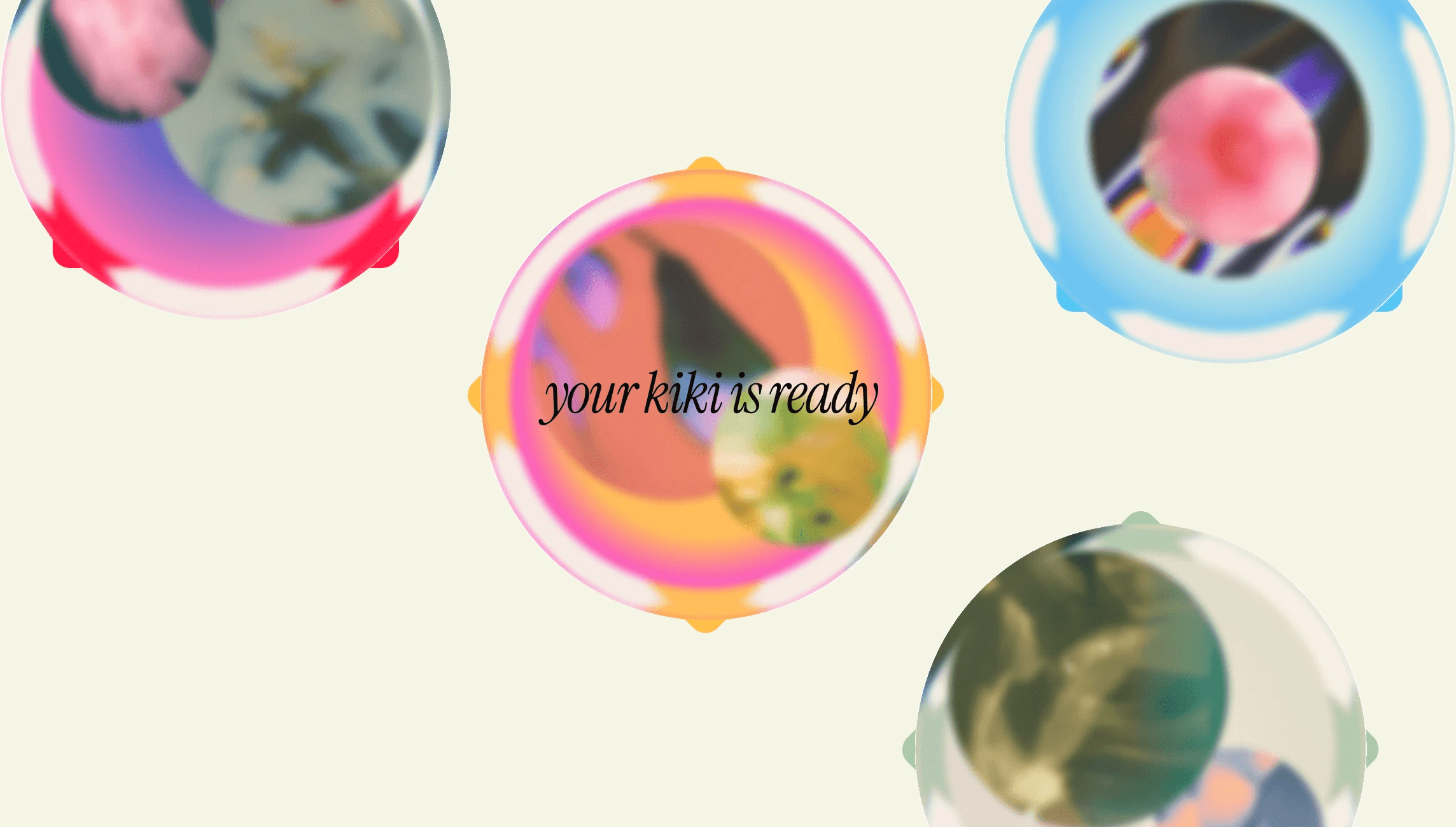
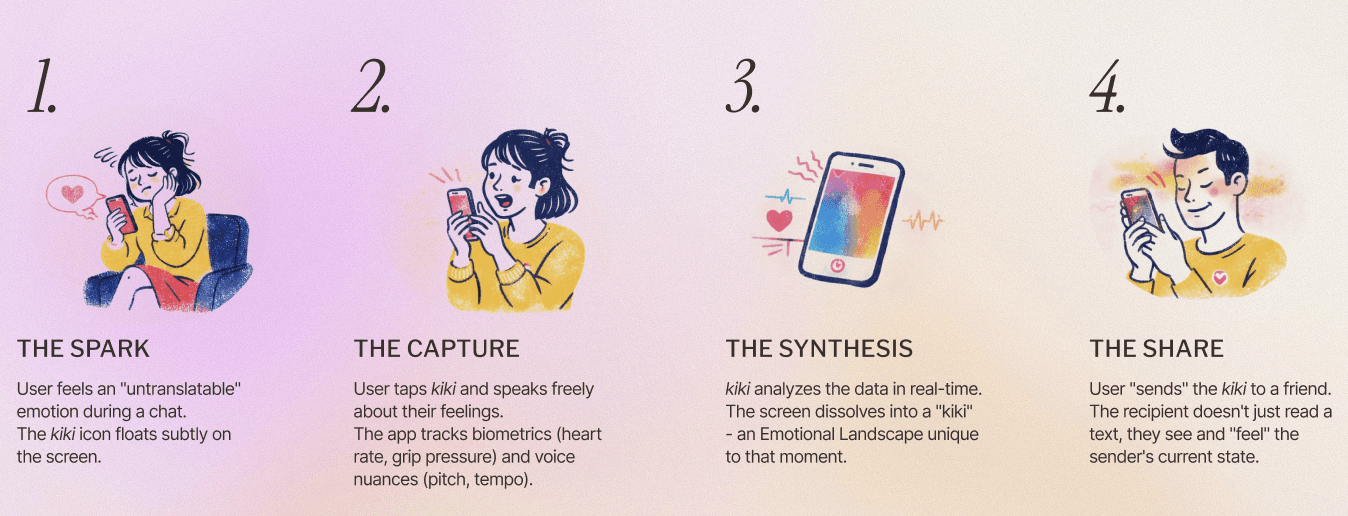
We created kiki, a speculative sensory system that lets people share emotional states digitally, without relying on language. kiki builds an emotional landscape from emotional data that can be sent to another person.
challenge.
Prompt:
Identify something intangible, invisible, or previously unmeasurable about the human sensory experience and design a speculative tool to track and influence it. This tool should be designed to support a wellness goal or behavioral change for an individual or a group.
Problem Statement:
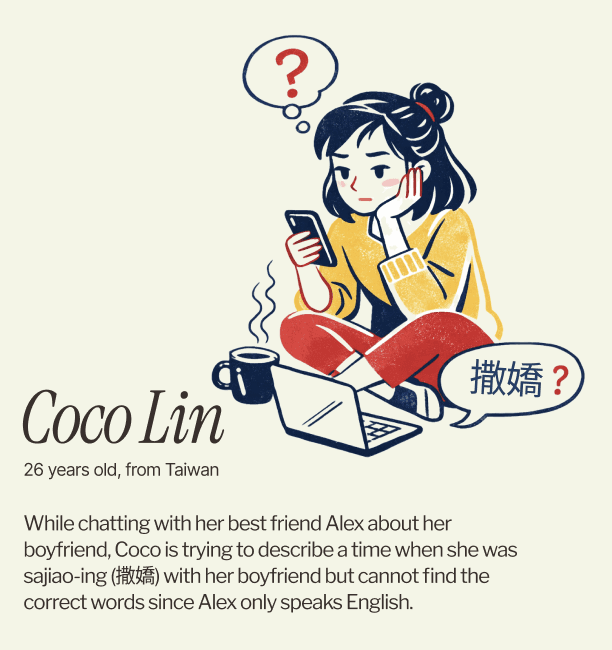
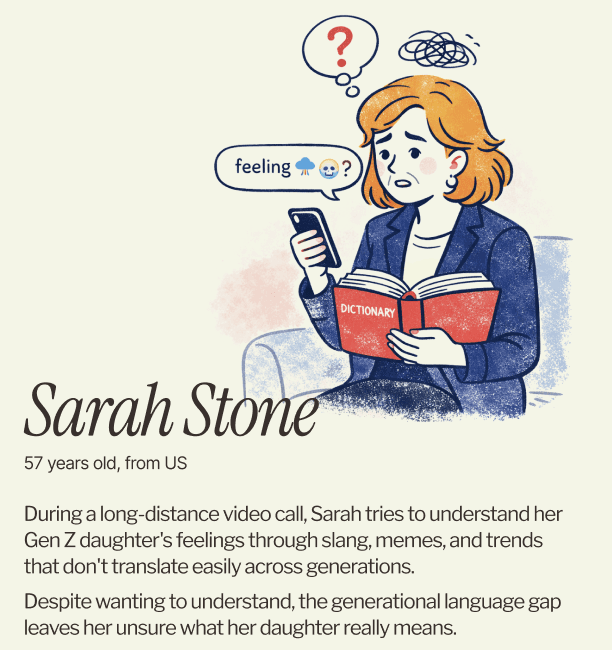
There are feelings that cannot be described with words, emotions that are lost in translation, moments shared between people that language cannot quite capture. The question that started kiki was simple: what if we did not have to describe how we felt? What if we could just send it?
The inspiration came from thinking about the gaps in human communication, the failures and limits of language. A mother and child divided by language. Two people from different cultures sitting with the same grief. A feeling so specific it has no name in your language but exists perfectly in someone else's. kiki grew out of curiosity about what communication could look like if it started with feelings, not words.
design methodology.
kiki was built as a speculative design project sitting at the intersection of interaction design, sensory research, and communication psychology. The process moved through several stages.
First, I researched how emotions are processed sensorially and how non-verbal communication works across cultures. From there, we discussed what and how emotional data could be captured and how it could be transmitted and received without defaulting to language.
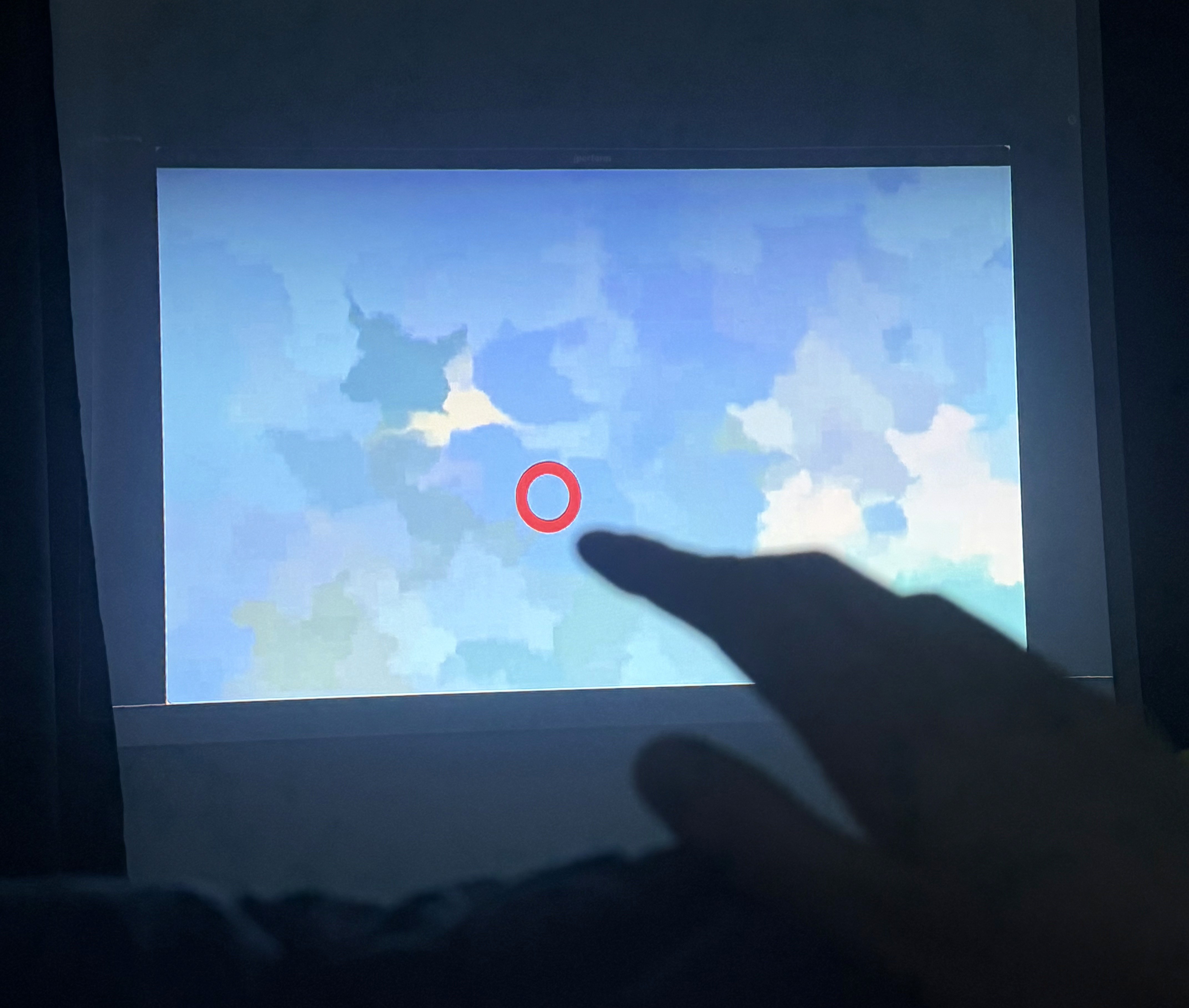
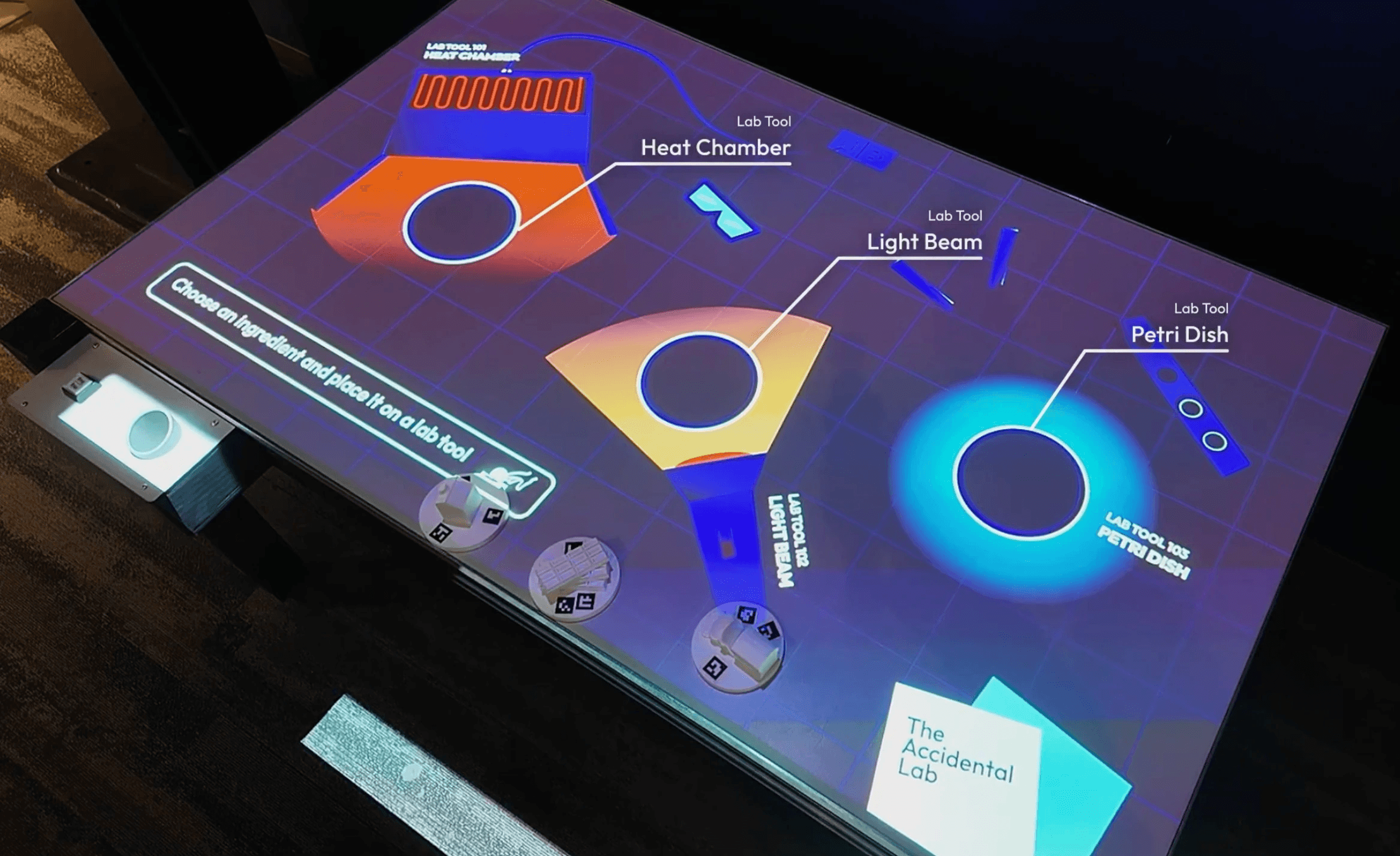
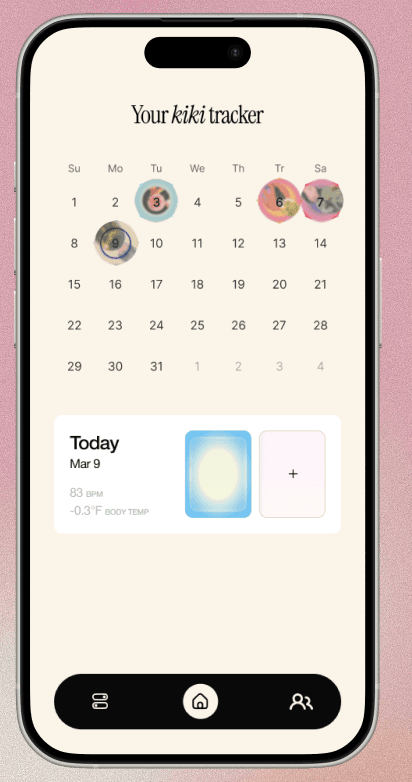
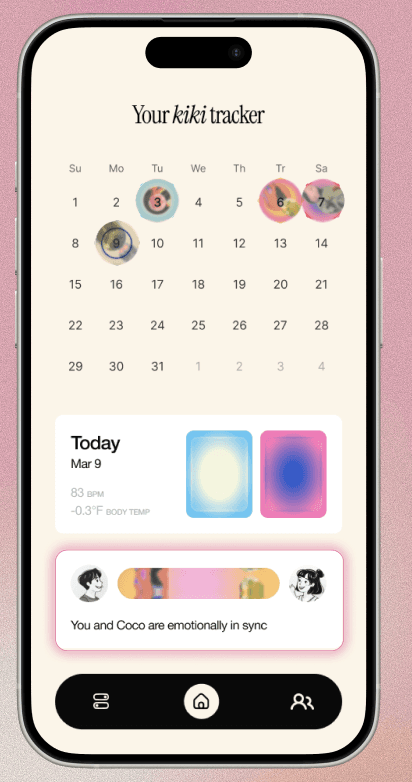
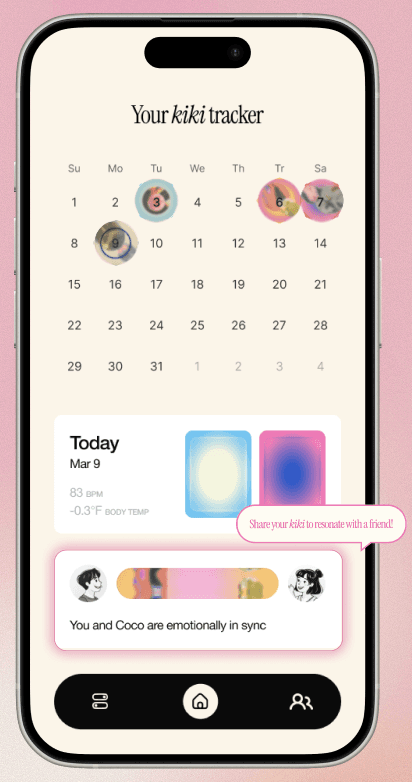
Our user flow maps how someone can use kiki to build an emotional landscape, share a feeling, and receive feelings from someone else. Through speculative experience and interface designs, kiki translates inherently invisible feelings into something experiential.
results:
Our work with kiki has redefined the boundaries of digital connection by transforming the "invisible" sense of social interoception into a tangible user experience. We began by grounding the tool in psychological research on communication and created a platform where users can cultivate a deeper awareness of their own emotional states and communication styles. kiki also allows friends and partners to share these states directly, bypassing the exhaustion of video calls and the limitations of text. Ultimately, we are proud that kiki can lay the groundwork for reimagining human communication into something that is no longer primarily language-dependent. kiki offers an inclusive way to express the complex feelings that have historically been lost in translation.
Reflections:
Building kiki taught us that emotion is far more complex than any words can carry. Emotional experience is deeply personal and deeply cultural at the same time. Our instinct as humans is to interpret, label, simplify. kiki pushed us to resist that consistently.
kiki asks a question we think deserves a much bigger conversation. If communication does not have to depend on language, what does that mean for how we understand each other?